
Here is the list of the best ChatGPT alternatives that are growing fast, giving users further choices beyond the familiar OpenAI.
According to recent data, usage of AI chatbots has exploded one report notes over 800 million weekly open users for ChatGPT in 2025.
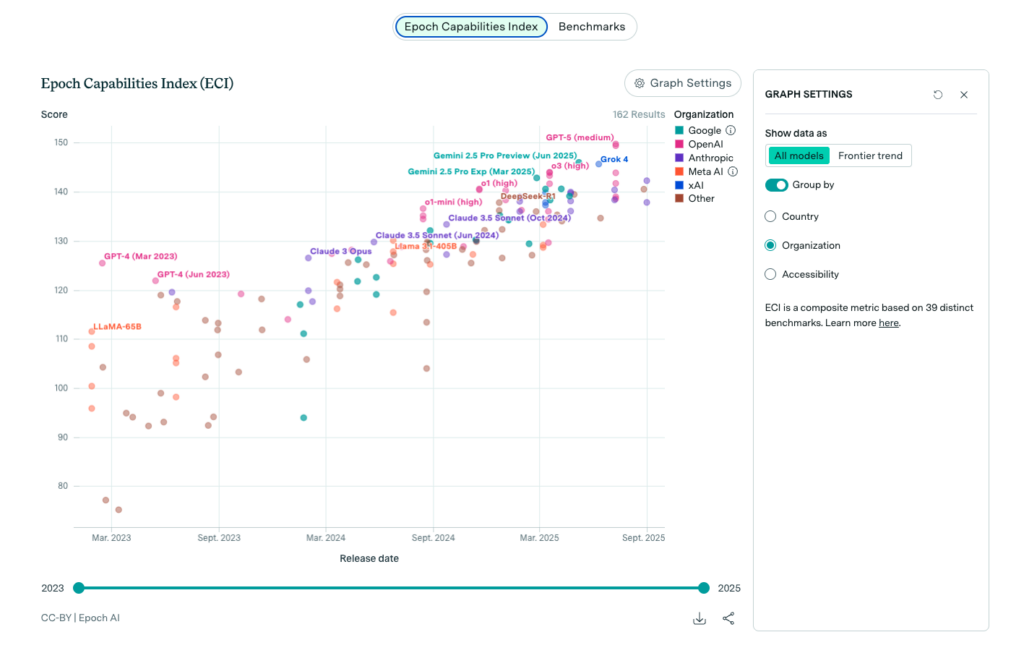
This surge means further tools labeled as “ChatGPT alternatives” are progressively possible for different users, workflows, and budgets.
Many of these competitors emphasize aspects like privacy, integration, or specialty features.
Here are nine strong contenders.
The Top ChatGPT Alternatives of 2026
| Tool | Best For | Price | Pros | Cons |
|---|---|---|---|---|
| ChatGPTAlternative | Best Overall Alternative | Free | Privacy, Multiple Models | Free Models only |
| Claude | Best for Coding | Free + Pro $20/mo + API | Best reasoning quality, long context, safe outputs | Not great at web search, slower at “quick answer” tasks |
| Gemini | Google ecosystem, search-grounded answers, Android integration | Free + Advanced $20/mo + API | Strong search grounding, great on mobile, good multimodal | Hallucinates more than Claude, ecosystem-locked, slower coding |
| Perplexity | Fast research with citations | Free + Pro $20/mo | Always cites sources, extremely fast, great for browsing the web | Not a general assistant, answers rely heavily on external web results |
| DeepSeek | Advanced reasoning & dev workflows | Mostly free (open models) | Very strong reasoning for cost, easy to self-host | Not as good at creativity, no built-in live web search |
| Qwen | Open-source deployment, coding, enterprise apps | Free (open weights) + Cloud pricing | High-quality OSS models, flexible deployment | UI tools less polished, results vary per hosting platform |
| Meta AI | Everyday chat inside WhatsApp/Instagram/Facebook | Free | Very fast, image generation included, easy access | Not as strong for complex tasks or coding; data privacy perception concerns |
| Microsoft Copilot | Work, Office/Teams productivity, enterprise | Free tier + $20–30/mo business plans | Best for Word/Excel/Outlook automations, strong web grounding | Not ideal for creative tasks, requires Microsoft ecosystem |
1. ChatGPT Alternative
Best for Overall Alternative
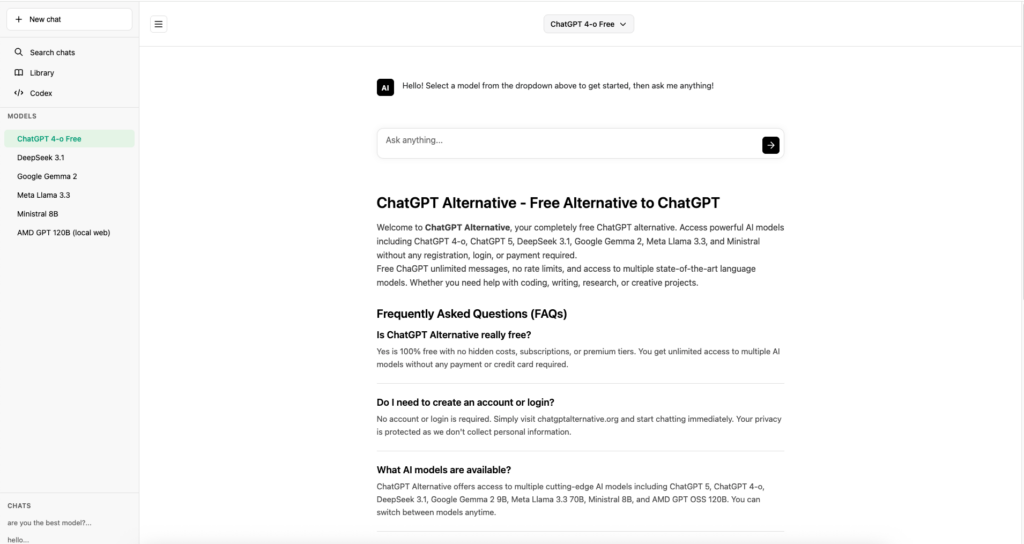
ChatGPTAlternative.org is a free version of the original ChatGPT that can be used in privacy without a login or signup. The service also offer other models like Deepseek, Gemini, Ministral, and other free models.
Why Choose it? It is free, have privacy and there is no need for any signup to use it. Also the usage of other models for free make it even more attractive.
Things to watch: You can use only free models like ChatGPT-OSS and DeepSeek which are free if you want premium models they are not available for the moment.
2. Claude
Best for Coding
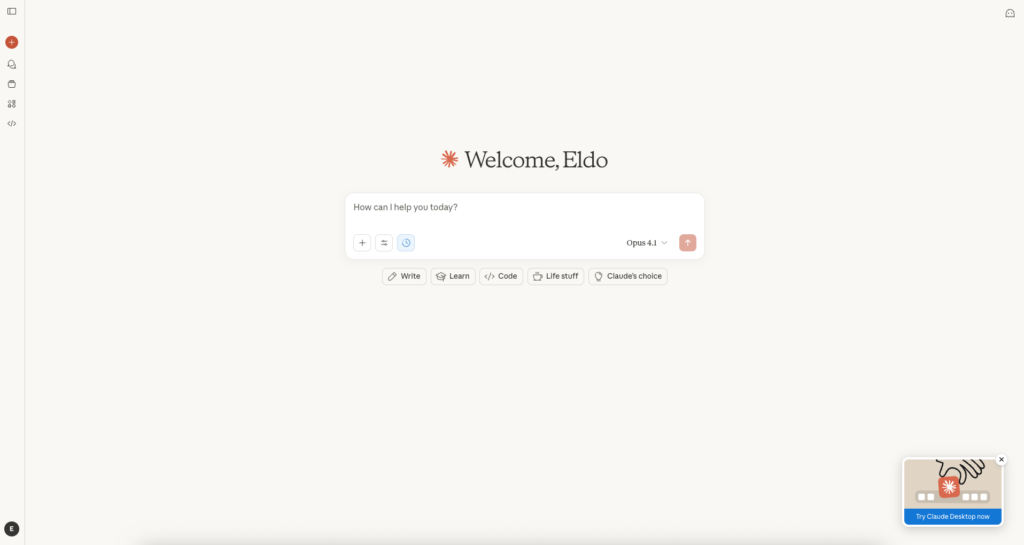
Claude, developed by Anthropic, is designed to handle deep reasoning, longer contexts, and code‑heavy or research‑intensive workflows.
Why choose it? If your tasks go beyond simple chat — for example heavy writing, data analysis, or coding — Claude may offer more depth than typical conversational models.
Things to watch: Pricing can be higher; the UI & ecosystem may feel less “lightweight” than some competitors.
Read more: Best AI Detectors
3. Gemini
Best Multimodal AI System
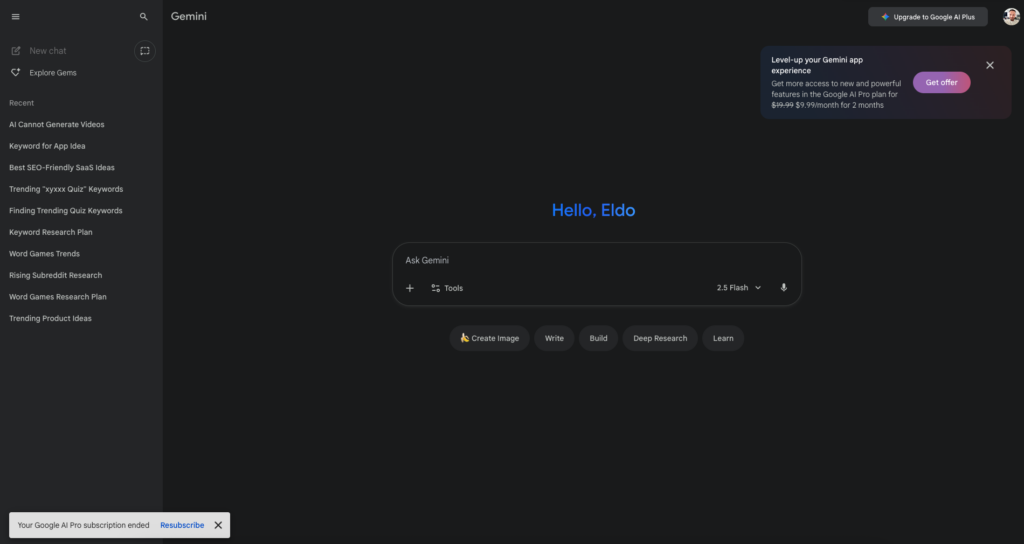
Gemini, from Google DeepMind, supports text, images, voice, and app‑integration workflows.
It links with things like Gmail, Google Docs, Google Paint, and even allows analysis of long documents.
Why choose it? If you already use Google apps and want a seamless AI that ties into your workflow and supports multimodal input.
Things to watch: Some advanced features may require premium plans; privacy/data‑sharing terms should be checked.
4. Perplexity
Best for research & factual retrieval
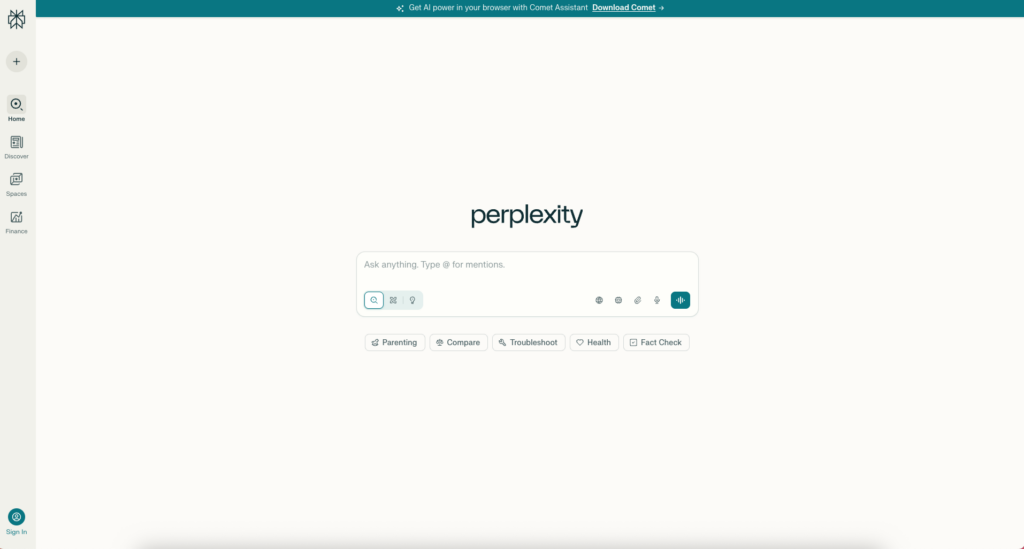
Perplexity is often cited as a strong contender when you need up‑to‑date info via web search and citation.
Why choose it? For tasks where references and factual grounding matter — e.g., research, summaries with sources.
Things to watch: May be less focused on creative content or marketing workflows compared to other tools.
5. DeepSeek
Best for advanced reasoning & dev workflows
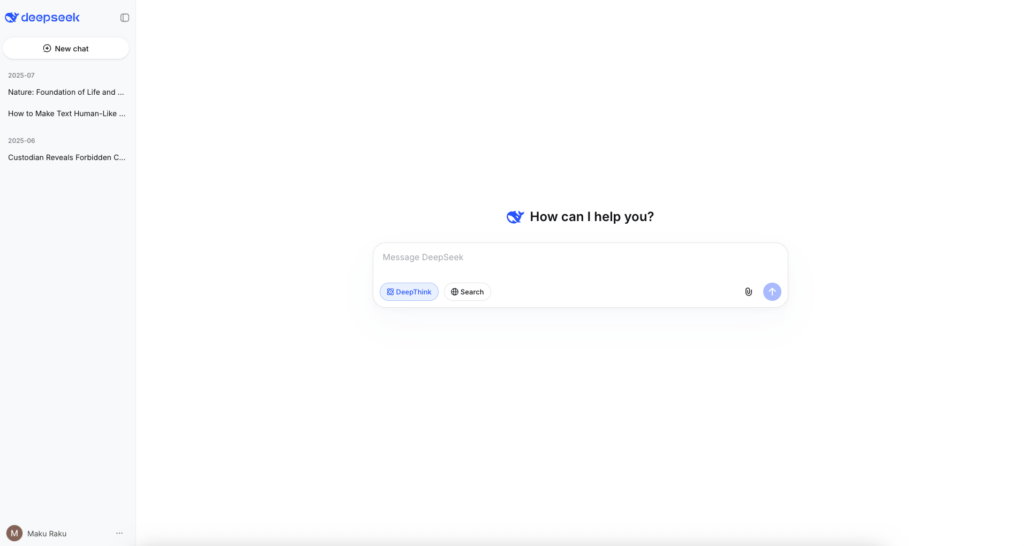
DeepSeek is emerging as a “reasoning‑focused” ChatGPT alternative with strong developer tooling and extended context handling.
Why choose it? If you’re working with code, data science, or need higher logic and reasoning than casual chat.
Things to watch: Still growing; community size and resources may be smaller than the major players.
6. Qwen
Best for open models & customizable deployment
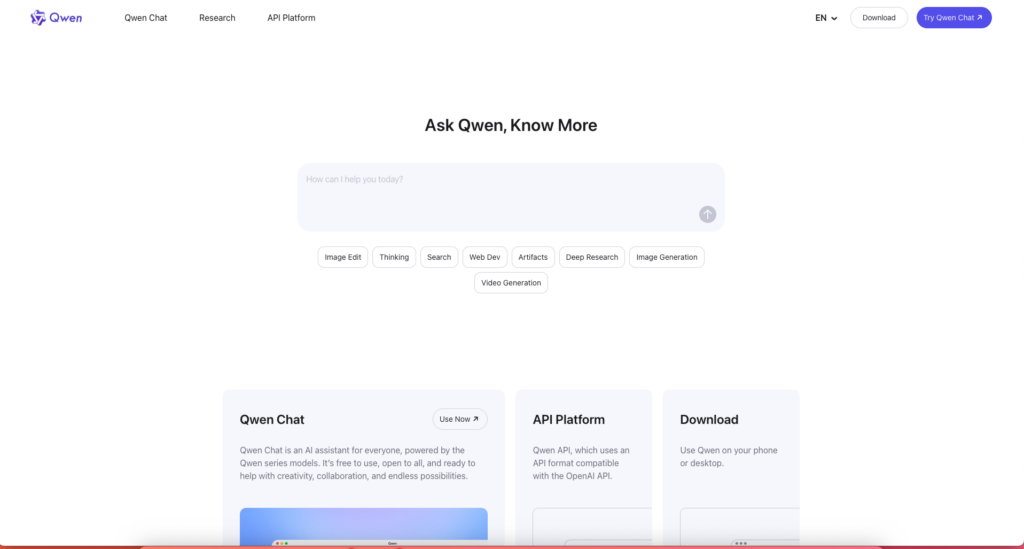
Qwen is one among several newer alternatives focusing on flexibility, privacy, and open deployment.
Why choose it? If you need to tweak models, deploy in non‑standard environments, or avoid vendor lock‑in.
Things to watch: Might require more technical setup or have fewer high‑level UI features compared to top‑tier tools.
7. Grok
Best for real‑time, social‑media integrated chat
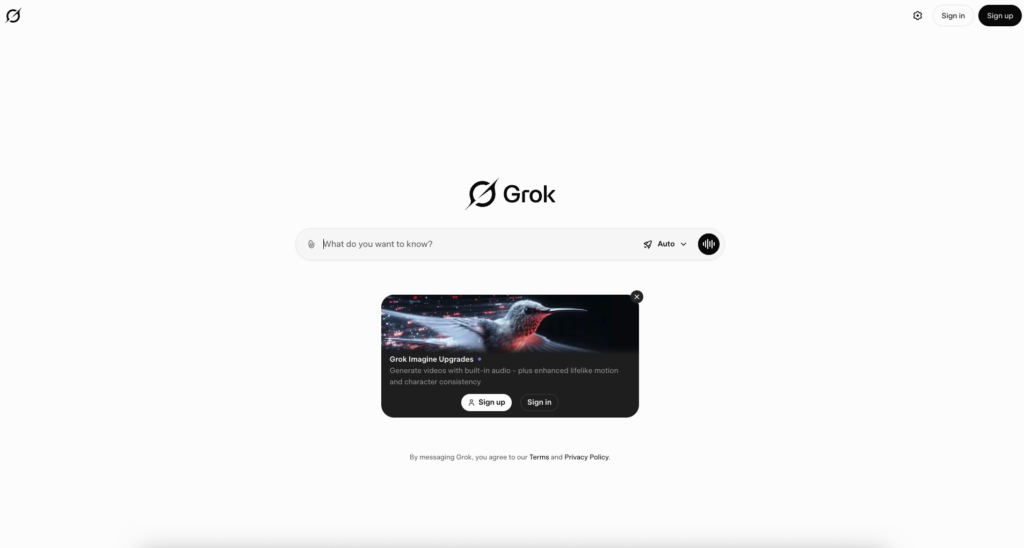
Grok is often chosen for more conversational, social‑media aligned or real‑time monitoring workflows.
Why choose it? If you’re engaging in chats, creative use, or lightweight tasks with fun integrations.
Things to watch: Feature‑set may be less enterprise‑focused than others; performance may vary.
8. Meta AI
Best for mobile & social integration
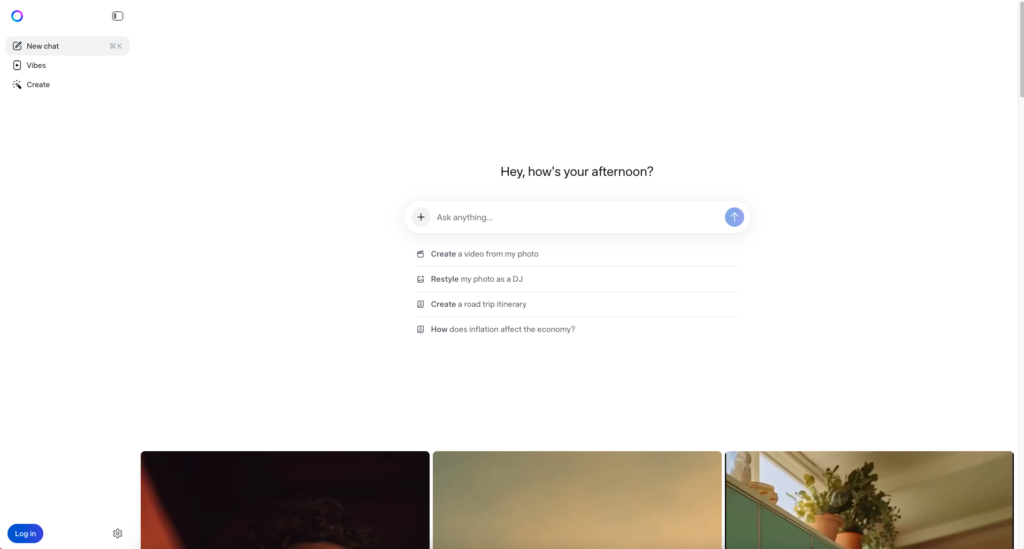
Meta AI, from Meta Platforms, is designed for use across social media, mobile, and everyday interactions.
Why choose it? If your workflow is social, mobile‑centric, or you prefer integration with Meta’s ecosystem.
Things to watch: Might be less strong in heavy enterprise or research workflows compared to some rivals.
9. Microsoft Copilot
Best for Microsoft 365 & business productivity
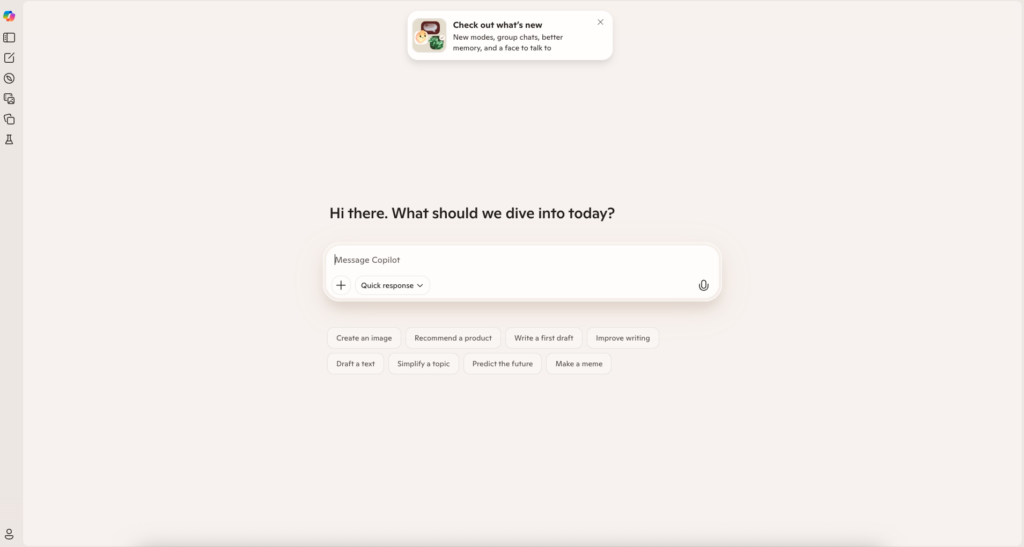
Microsoft Copilot is tightly integrated with Microsoft 365 (Word, Excel, Outlook, Teams) and supports advanced document tasks, meeting summarization, and enterprise workflows.
Why choose it? If you work heavily within Microsoft apps and need productivity‑focused AI assistance.
Things to watch: You may need to subscribe or meet enterprise licensing; best value when paired with Microsoft ecosystem.
Frequently Asked Questions (FAQs)
Q1. Why should I consider a ChatGPT alternative?
Yes, becuase there are better options for privacy, and for pricing options. Also there are some other alternative better for coding like Claude.
Q2. Will an alternative be as good as ChatGPT?
Yes some of them are even good for example for privacy, multimodal or integration with other tools.
Q3. What should I check when picking an alternative?
Consider features (multimodal input, context length, code support), integrations with your existing tools, data and privacy terms, cost & licensing, and whether you need enterprise‑vs‑personal use.
Q4. Can I use multiple AI tools together?
Yes, many users mix tools (e.g., one for research, another for writing, another for enterprise workflows) depending on needs.
Conclusion
The world of ChatGPT Alternatives is broad shouldered and growing. Depending on your needs (creative writing, research, business productivity , mobile/social use), there’s a strong option beyond just ChatGPT. The nine tools above each bring unparalleled strengths.

As one of the co-founders of Codeless, I bring to the table expertise in developing WordPress and web applications, as well as a track record of effectively managing hosting and servers. My passion for acquiring knowledge and my enthusiasm for constructing and testing novel technologies drive me to constantly innovate and improve.
Expertise:
Web Development,
Web Design,
Linux System Administration,
SEO
Experience:
15 years of experience in Web Development by developing and designing some of the most popular WordPress Themes like Specular, Tower, and Folie.
Education:
I have a degree in Engineering Physics and MSC in Material Science and Opto Electronics.
Comments