

Best AI SEO Content Generator solutions are becoming essential for websites that want to scale content creation and improve their search engine rankings quickly.
As digital competition rises, tools that combine AI writing with strategical SEO insights help content teams create better content, faster . In 2026 , the landscape for AI‑powered SEO tools is further agonistic and competent than always before.
Recent trends show a sharp increase in searches related to AI content generators and SEO optimization tools indicating that content marketers are prioritizing both quality and speed.
According to industry data, interest in AI‑assisted SEO content solutions has grown by over 50% in the last two years, with many brands reporting improved organic traffic after integrating these tools into their workflow.
The Top 10 Best AI SEO Content Generator Solutions
1. GPTHumanizer
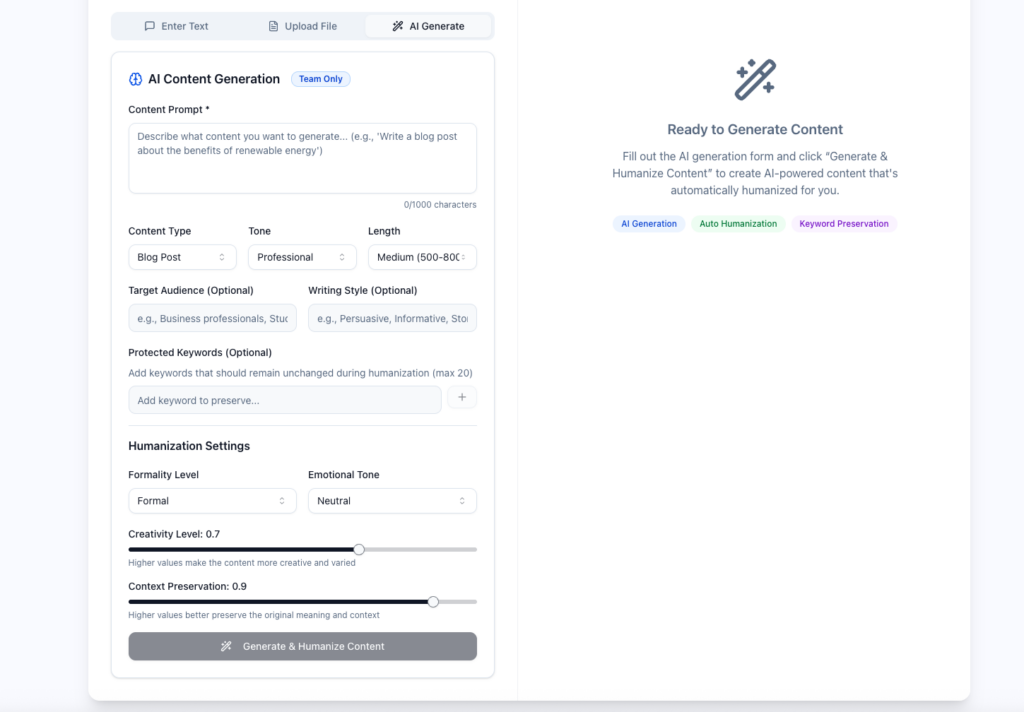
GPTHumanizer is the best AI SEO content generator tool that can help you scale your content and boost your search engine visibility.
Unlike many AI tools that produce formulaic text, GPTHumanizer emphasizes tone, readability, and real‑world language patterns — which helps content avoid sounding robotic.
Many users find that using this tool improves user engagement metrics like time on page and bounce rate, because the content reads more like a real person wrote it.
There is also an possibility to generate Blog posts already humanized so your content will not be detected as an AI written content.
Also GPThumanizer is one of the best AI Humanizer tools on the web.
Best for Natural‑Sounding Content
This tool is ideal for writers who want to keep the efficiency of AI but avoid the stereotypical “AI voice.” It’s especially valuable when targeting audiences that expect conversational, brand‑aligned content.
Key strengths
- Makes AI output sound human and less generic
- Improves tone and readability
- Works well with existing SEO content
Things to consider
- Not focused on deep keyword strategy
- Requires connection with another content generator
2. Koala.sh
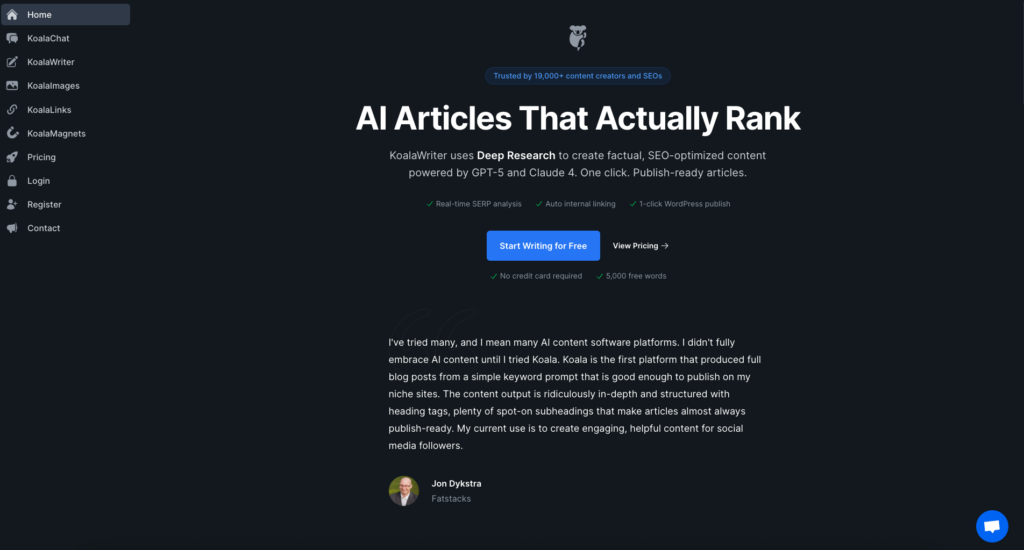
Koala.sh’s AI content generator focuses on structured articles that align well with search intent. It uses real‑time SERP data to guide content layout, keyword inclusion, and semantic SEO — meaning the articles it produces aren’t just written but also strategically organized for SEO success.
Users report that Koala.sh saves hours of research time, which makes it a top pick for content teams that need both speed and strategy.
Best for Efficient SEO Content Creation
Koala.sh is great for bloggers, small teams, and SEO specialists who want publish‑ready content without manual structuring.
Key strengths
- Deep research baked into the writing process
- Keep keyword density optimized
- Helps with titles, headers, and meta tags
Things to consider
- Advanced features are in paid tiers
- Some customization requires user edits
3. SEOWriting
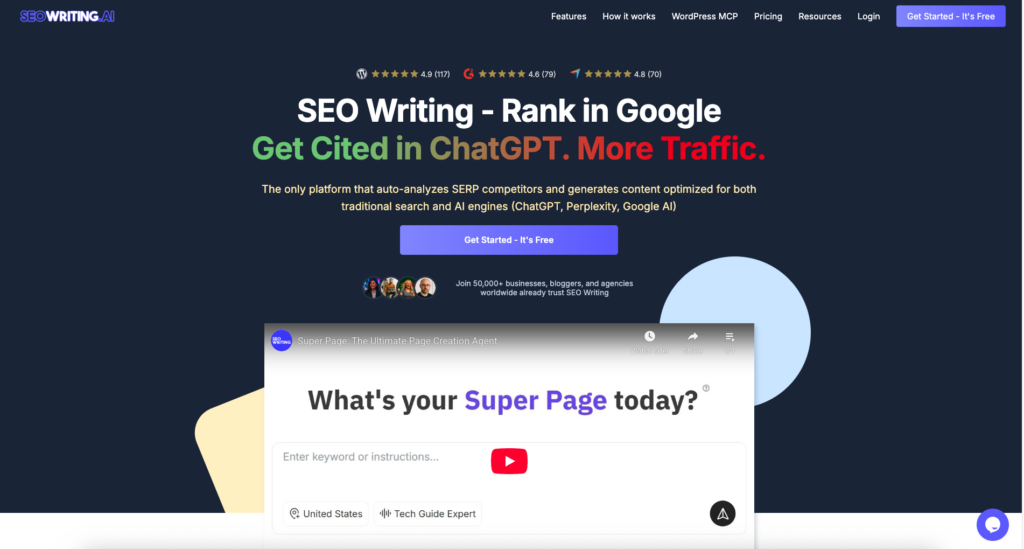
SEOWriting is built specifically for SEO professionals who want to generate content at scale while also optimizing for search engines.
It offers intelligent content briefs, meta tags, and structured outlines based on top‑ranking pages for your target keywords. The AI pulls competitive data, then writes accordingly which makes it easier to outrank existing content.
Many SEO teams pair SEOWriting with project management tools to automate content calendars and bulk publishing.
Best for Fast Bulk Publishing
This tool excels when you need high volumes of content like blogs, category pages, product descriptions, and landing pages all with SEO considerations already embedded.
Key strengths
- SEO‑focused outlines and briefs
- Auto headline and meta tag generation
- Good for bulk editorial calendars
Things to consider
- Bulk features may be overwhelming for beginners
- Requires keyword strategy knowledge
4. Jasper AI
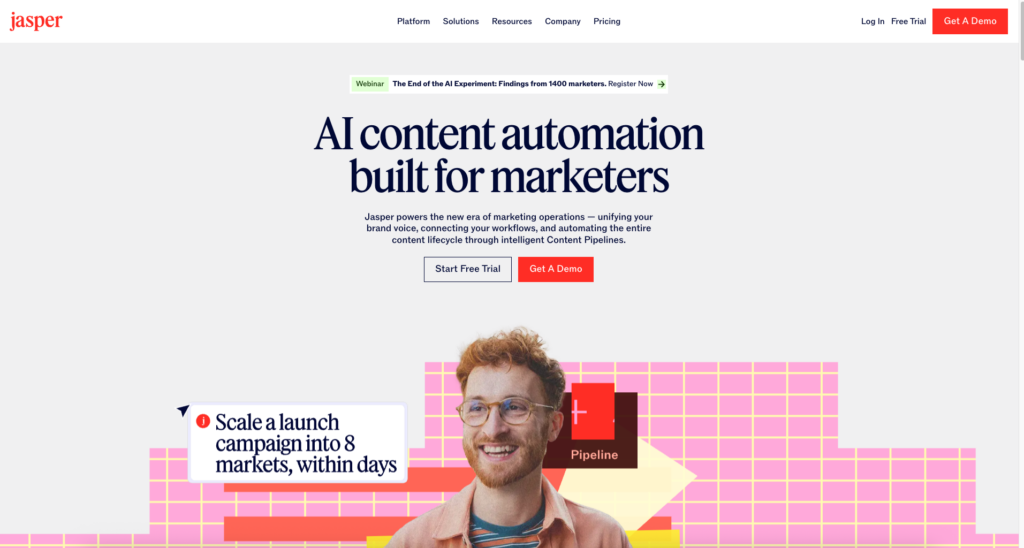
Jasper AI is one of the most widely adopted AI writing platforms because it blends strong generative writing with team collaboration tools.
Its SEO capabilities include keyword suggestions, SERP analysis, and customizable templates for content briefs. Jasper’s main advantage is flexibility: it supports long‑form content, campaign planning, and brand‑level voice control.
Marketing teams benefit from workflow features and integrations for example, connecting Laravel or WordPress publishing systems for seamless content deployment.
Best for Marketing Teams and Brand Control
Marketing and SEO teams that produce a variety of content types (blogs, social, landing pages) find Jasper especially useful because it can scale and maintain consistency.
Key strengths
- Comprehensive workflow and team tools
- SEO strategy integration
- Strong support and community
Things to consider
- Pricing can be higher than niche tools
- Steeper learning curve for advanced features
5. Copy.ai
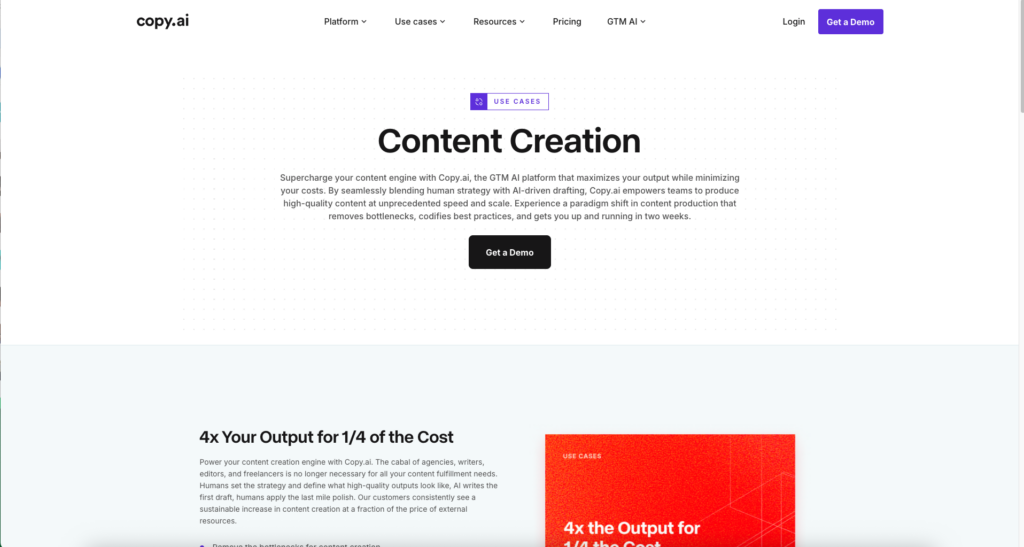
Copy.ai is known for versatility — it can generate short‑form and long‑form content alike. From blog posts to product pages, social media copy, and email sequences, it packs a lot of utility into an easy‑to‑use interface.
SEO features include keyword insertion tools, content expansion modules, and topic clustering aids that help content stay aligned with search best practices.
Because it’s template‑driven, Copy.ai is especially good when you want quick drafts or creative variations before refining for SEO.
Best for Versatile Content Needs
Copy.ai works well for freelancers and small teams that need a single tool for multiple content functions and SEO guidance.
Key strengths
- Large library of templates
- Easy to iterate on ideas
- Good for mixed content styles
Things to consider
- Not as SEO‑deep as specialized tools
- Often requires follow‑up edits
6. WriteSonic
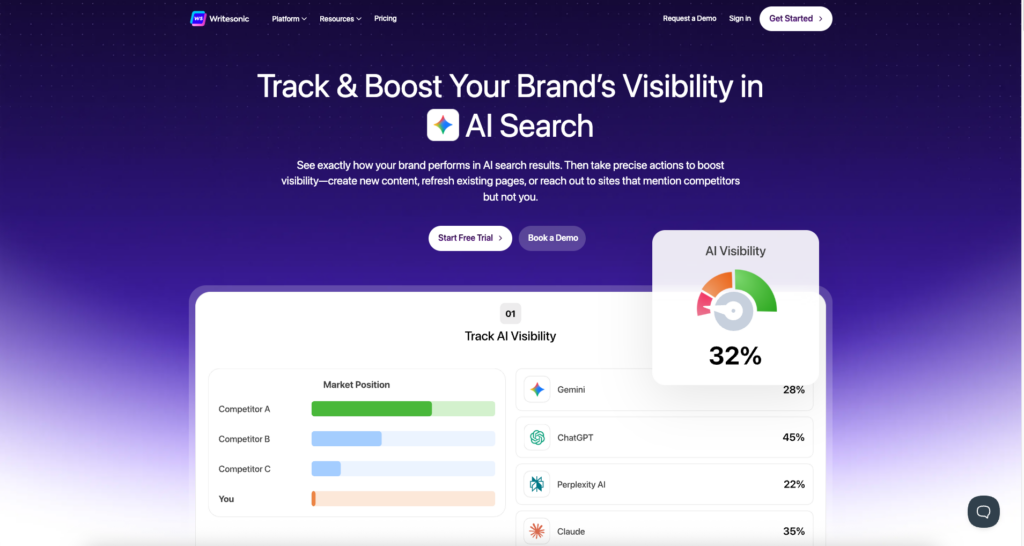
WriteSonic blends AI writing with internal SEO insights — meaning it helps not only with generating content but evaluating how content might perform on search engines.
It offers keyword clustering, topic recommendations, and competition analysis, which can be especially helpful for content improvements during revision cycles.
Users also like the intuitive workspace, which allows rapid editing, reorganizing, and previewing content before publishing.
Best for SEO + AI‑Visibility Optimization
WriteSonic is a strong choice for content strategists who want both creation and analysis under one roof — particularly for SEO‑driven blogs and articles.
Key strengths
- SEO optimization tools included
- Writes long and short‑form content
- Built‑in analytics insights
Things to consider
- Some advanced SEO features require upgrades
- Not as strong for enterprise workflows
7. Grok
Grok is an AI assistant designed for content teams that need speed and creativity. It excels at generating outlines, drafts, and brainstorming ideas then letting you shape them into SEO content.
Unlike tools that write final drafts automatically, Grok focuses on quick ideation and rapid iteration.
If your workflow prioritizes human refinement after initial drafts, Grok speeds up the early stages of writing dramatically.
Best for Quick Ideation and Drafts
This tool is ideal for teams that want to accelerate brainstorming, topic exploration, and structure development before detailed editing for SEO.
Key strengths
- Fast idea generation
- Flexible writing assistance
- Works well with human editors
Things to consider
- Not a complete SEO solution on its own
- Requires manual fine‑tuning
8. SEO.ai
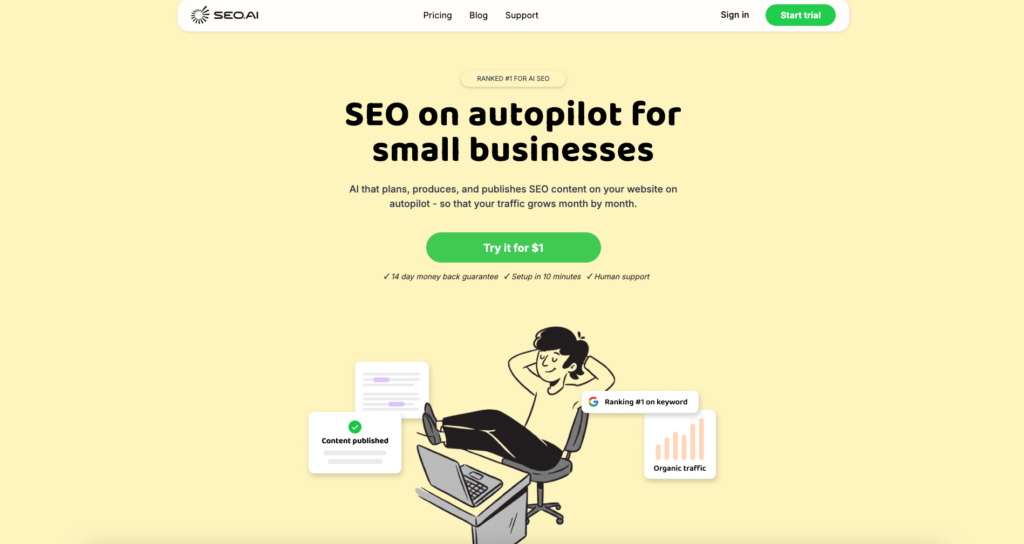
SEO.ai takes a unique approach by embedding SEO strategy throughout the writing process. It doesn’t just generate text it builds topic maps, predicts cluster relevance, and structures sections based on competitor analysis.
Content planners use it to create entire SEO campaigns, with data‑backed suggestions for headers, internal linking, and topic depth.
For businesses that want a long‑term content strategy, SEO.ai can be a powerful engine because it treats SEO as a first‑class citizen in every article.
Best for Autopilot SEO Content Strategy
Businesses and agencies that plan dozens or hundreds of articles benefit from the strategic automation this tool offers.
Key strengths
- SEO strategy built into generation
- Topic mapping and clustering
- Good for ongoing programs
Things to consider
- Learning curve for advanced features
- More expensive than basic generators
9. Gemini
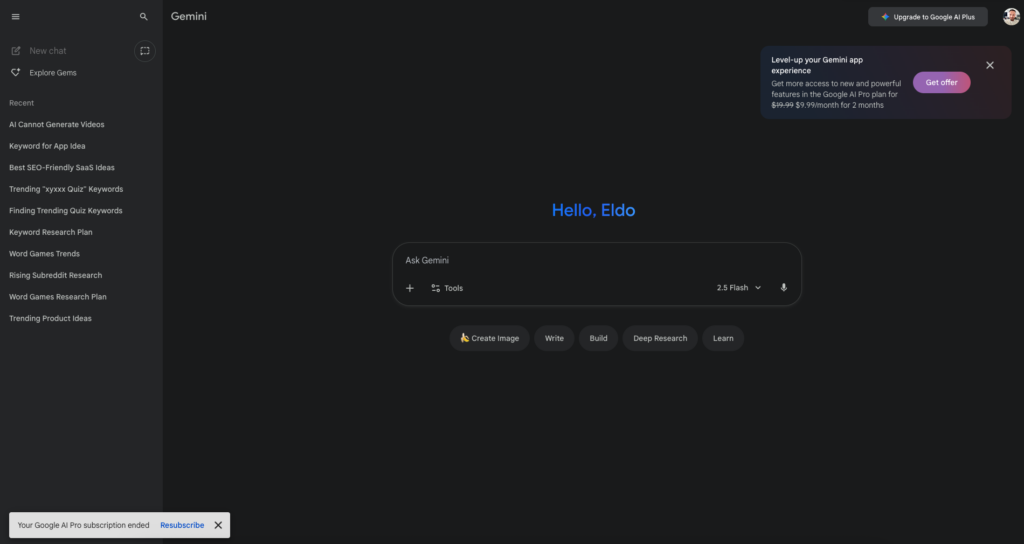
Gemini uses advanced language models to produce high‑quality content with strong relevance to user intent and search context.
Its strength lies in accuracy, coherence, and the ability to balance factual integrity with SEO considerations. Many users rely on Gemini for research‑heavy topics where quality cannot be compromised.
Because the AI focuses on in‑depth content quality, pieces generated with Gemini require less editing for readability, which can save time on revisions.
Best for High‑Quality Core Content
This tool fits brands and publications that prioritize rich, authoritative content such as white papers, expert blogs, or data‑driven articles.
Key strengths
- Very high content quality
- Strong semantic understanding
- Useful for research‑heavy topics
Things to consider
- Less focused on bulk output
- Not niche‑SEO focused by default
10. ChatGPT
ChatGPT is a flexible, general‑purpose AI writing assistant that can be steered toward SEO content creation with the right prompts.
Its strength lies in adaptability: you can create outlines, draft paragraphs, optimize keywords, and rewrite for tone all in a single interface.
Content teams often build prompt systems that turn ChatGPT into a pseudo SEO tool by guiding topic research, title generation, and FAQ inclusion.
Best for Flexible Content Creation
Because ChatGPT isn’t tied to a specific SEO workflow, it works well for teams that want a customizable tool without template restrictions.
Key strengths
- Extremely flexible
- Rapid content ideation and editing
- Works with custom SEO prompts
Things to consider
- Requires prompt expertise
- SEO structure must be guided manually
FAQs
What is an SEO Content Generator?
An AI SEO Content Generator is a software tool that uses artificial intelligence to help generate written content that is optimized for search engine performance. These tools typically combine natural language generation with data‑driven SEO insights to create articles that attract higher rankings.
They analyze top‑ranking content, suggest relevant keywords, and help structure articles that align with user intent — which makes them powerful for scaling content production.
Can AI‑generated content rank well on Google?
Yes — if it is optimized properly. Google’s ranking algorithm prioritizes helpful, relevant content that satisfies user search intent. AI content can perform well when it’s well‑structured, contains useful information, and follows SEO best practices like semantic keyword use and logical organization.
This often requires human oversight to fact‑check, align with brand voice, and ensure accuracy.
Do these tools replace human writers?
Not entirely. AI generators are designed to enhance productivity, not replace strategic thinking and quality control. While they can produce strong drafts and SEO‑optimized outlines, human editors are still essential for nuance, credibility, accuracy, and personality.
In many cases, the best results come from a hybrid workflow — where AI drafts and humans refine.
Are free plans enough for serious SEO?
Free plans can be helpful for experimentation and small‑scale projects. However, serious SEO campaigns benefit from paid features like competitor analysis, SEO optimization layers, bulk publishing tools, and integration with CMS platforms.
Investing in a tool that offers robust SEO support usually yields better results for larger content programs.
How do I choose the right tool?
Start by defining your goals: do you want rapid bulk content, high‑quality research pieces, or a balance between SEO and creativity?
- Choose tools like SEOWriting or SEO.ai for structured SEO workflows.
- Pick GPTHumanizer or Gemini if quality and readability matter most.
- Use ChatGPT or Copy.ai when you need flexibility and varied content types.
Conclusion
In 2026, the top AI SEO Content Generator tools make it easier than ever to scale your content strategy while optimizing for search engines. Each solution offers unique strengths — from deep keyword focus to rapid ideation and creative drafts.
Whether you’re a solo creator, small marketing team, or enterprise publisher, there’s a tool on this list to support your workflow. The key is to choose one that matches your goals: fast output, high‑quality long‑form content, or advanced SEO integration.
By blending human judgment with AI productivity, you can improve both the efficiency and effectiveness of your SEO content strategy.

As one of the co-founders of Codeless, I bring to the table expertise in developing WordPress and web applications, as well as a track record of effectively managing hosting and servers. My passion for acquiring knowledge and my enthusiasm for constructing and testing novel technologies drive me to constantly innovate and improve.
Expertise:
Web Development,
Web Design,
Linux System Administration,
SEO
Experience:
15 years of experience in Web Development by developing and designing some of the most popular WordPress Themes like Specular, Tower, and Folie.
Education:
I have a degree in Engineering Physics and MSC in Material Science and Opto Electronics.




Comments